
Clearfox Windows · Planning guides
Window installation weather planning
By JR Digital Services editorial team · Published 6 November 2026
Swipe tables sideways to see every column.
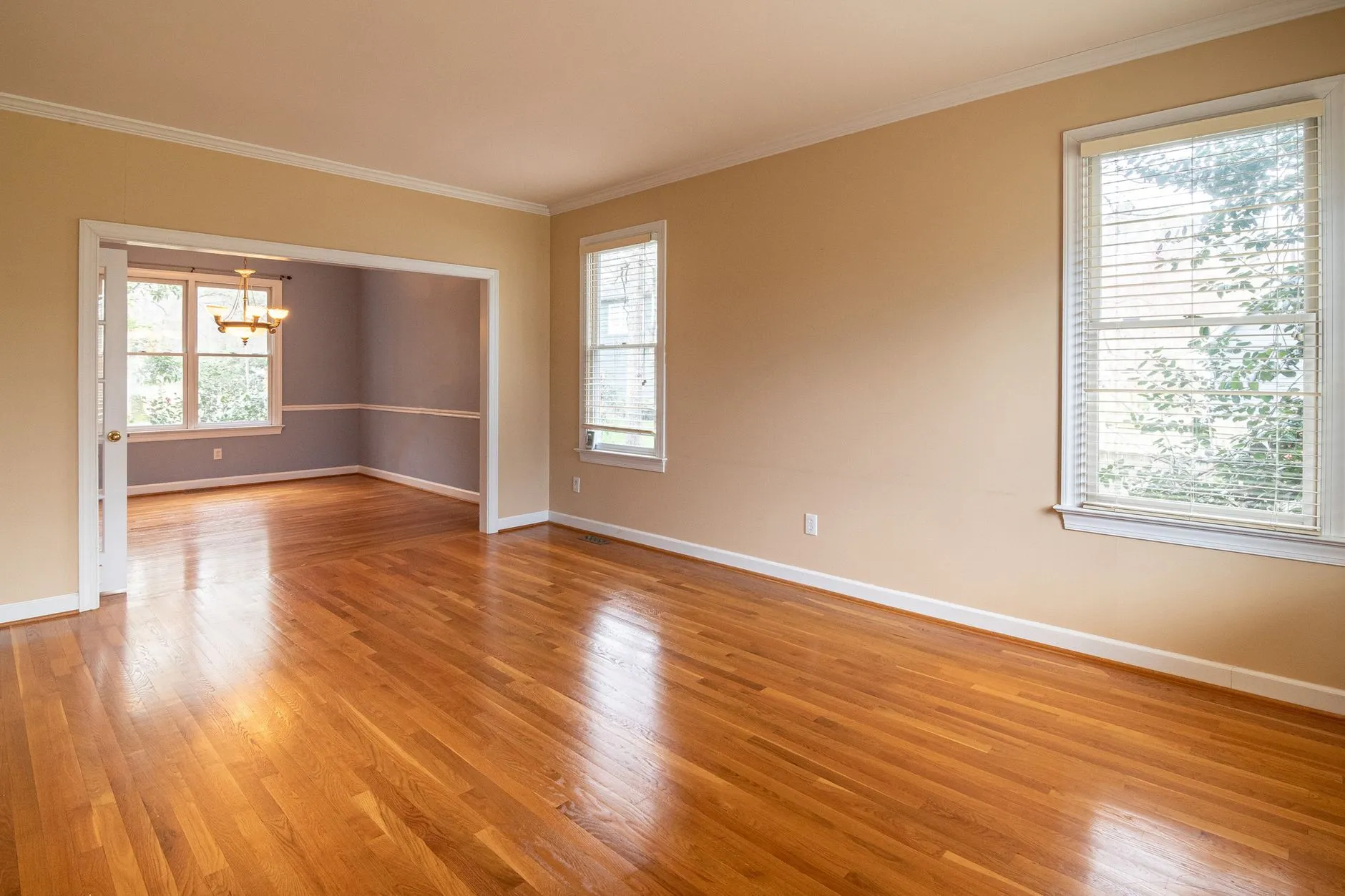
Illustrative stock photograph, not a local project or provider’s work. Photo: Curtis Adams. Pexels License.
Weather planning is one of the most practical conversations to have with a window installer before the job starts. An open wall cavity — even briefly — exposes your home’s interior, insulation, and adjoining surfaces to wind, rain, and dust. Knowing what your installer proposes before the first window comes out is worth every minute spent asking.
Why weather conditions matter during installation
The AGWA installation guide discusses weatherproofing of the completed frame-and-wall interface. For the period during replacement, ask the installer how temporary protection and unfinished openings will be managed for the actual forecast, site and work schedule. Completed-installation guidance is not a prediction of what a brief unprotected opening would do to this property.
Describing your site access and occupied rooms before the visit
Before your installer arrives for a measure or quote, give them a clear picture of access conditions and which rooms will be affected. Useful things to communicate:
- Which elevations are exposed to weather at the actual site
- Whether scaffold or ladder access is restricted by garden beds, fences, or overhead wiring
- Which rooms are bedrooms, home offices, or areas with sensitive contents (electronics, instruments, art)
- Whether the home will be occupied during installation
- Pets, young children, or mobility considerations that affect where dust sheeting or temporary barriers can be placed
This is not about predicting what the installer will do — it is about giving them the information they need to plan the job properly and quote any additional protection measures accurately.
Asking how the installer evaluates weather conditions on the day
Raise the question before the booking is finalised. Ask your installer directly:
- Do they check a weather forecast the morning of installation, and what threshold would prompt a rescheduled start?
- If rain develops mid-job, what is their procedure — do they stop at a natural break point, or is there a protocol for protecting partially removed openings?
- Who makes the call, and how quickly can it be communicated to you?
Ask for the approach proposed for this job, including who assesses a change in conditions and who communicates the decision. Record the response with the agreed visit arrangements.
Clarifying temporary protection and unfinished openings
This is where preparation questions become most practical. If a window is removed and the replacement cannot be fitted that same session — perhaps because a flashing detail needs attention, or a sill repair is discovered — what covers the opening?
Ask specifically:
- Is temporary sheeting, board, or polythene carried on the vehicle as standard?
- How is it fixed — to the external reveal, the internal frame, or both?
- Is it weather-rated (i.e., will it hold against driving rain, not just light drizzle)?
- For security: is the temporary cover lockable or at least tamper-resistant if the home will be unattended overnight?
Hypothetical information gap: a booking identifies the windows to replace but says nothing about temporary protection or contact arrangements if conditions change. The useful questions are what protection is proposed, who assesses whether work proceeds and how the owner will be informed. No adverse weather or abandoned opening is assumed.
Agreeing on communication if a visit needs to change
Scheduling window installation around weather is partly about the day itself, and partly about the lead-up. Agree in advance:
- What notice will you receive if the installer decides to postpone due to forecast conditions?
- Is there a preferred contact method (call, text, app) and a latest time you can expect to hear?
- If you have taken a day off work, what flexibility exists on rescheduling?
This conversation also applies when the job is multi-day. If day one goes well but day two is forecast to be wet, the communication chain matters as much as the physical protection measures.
A preparation checklist before installation day
The following is a practical prompt list for your pre-installation conversation — not a universal industry standard or required procedure:
Hypothetical preparation prompt list (use as a discussion guide only)
- ☐ Have you described which elevations face weather and any access restrictions?
- ☐ Have you asked how the installer monitors and responds to same-day weather changes?
- ☐ Have you asked what temporary protection is carried and how it is fixed?
- ☐ Have you asked whether the opening will be left secure if the job runs long or requires a return visit?
- ☐ Have you agreed how and when you will be notified of any rescheduling?
- ☐ Have you noted the condition of internal surfaces, flooring, and furnishings near each opening before work starts?
Recording the condition of adjoining surfaces
Before any window is removed, it is worth photographing the internal and external surfaces immediately adjacent to each opening — plaster, renders, architraves, floorboards, tiles. This is not about assuming damage will occur; it is about having a clear baseline if a question arises later about whether a mark or crack predated the work.
The AGWA installation guide notes that cement mortar and plaster droppings should be removed from windows immediately, before the material sets. Ask the contractor how adjoining surfaces will be protected and which product-specific care instructions apply. Having a photographic record means any discussion about responsibility for surface condition is grounded in evidence rather than recollection.
SA.gov.au notes that building work contractors must have a written contract for domestic building work above a certain value, and that the contract must state a fixed price and payment terms. If weather-related delays or additional protection measures are likely to affect scope or timing, it is worth discussing how those eventualities would be handled in writing before work begins — not as a legal instruction, but as a sensible question for your contractor.
Related guides
If you are still at the planning stage, the following guides on this site may help:
- Window measurement visit preparation — what to have ready before the measure
- Window quote schedule explained — how to read what you have been quoted
- Window replacement process Adelaide — the broader sequence from enquiry to handover
- Window installation handover checklist — questions for after the job is complete
Further reading
- AGWA Guide to Residential Installation (Version 3), hosted by Southern Star Windows: https://southernstarwindows.com.au/wp-content/uploads/2024/03/AGWA-Guide-to-Residential-Installation.pdf
- SA.gov.au — Builder responsibilities (domestic contracts): https://www.sa.gov.au/topics/business-and-trade/building-industry/planning-professionals/builder-responsibilities
- SA.gov.au — Building work contractor’s licence: https://www.sa.gov.au/topics/business-and-trade/licensing/building-and-trades/building-work-contractor-s-licence
If you would like to explore a referral to an installer who can discuss their weather-planning approach in more detail, you are welcome to submit an enquiry and we will follow up where a referral may be available.