
Clearfox Windows · Planning guides
Sliding versus double-hung window questions
By JR Digital Services editorial team · Published 6 November 2026
Swipe tables sideways to see every column.
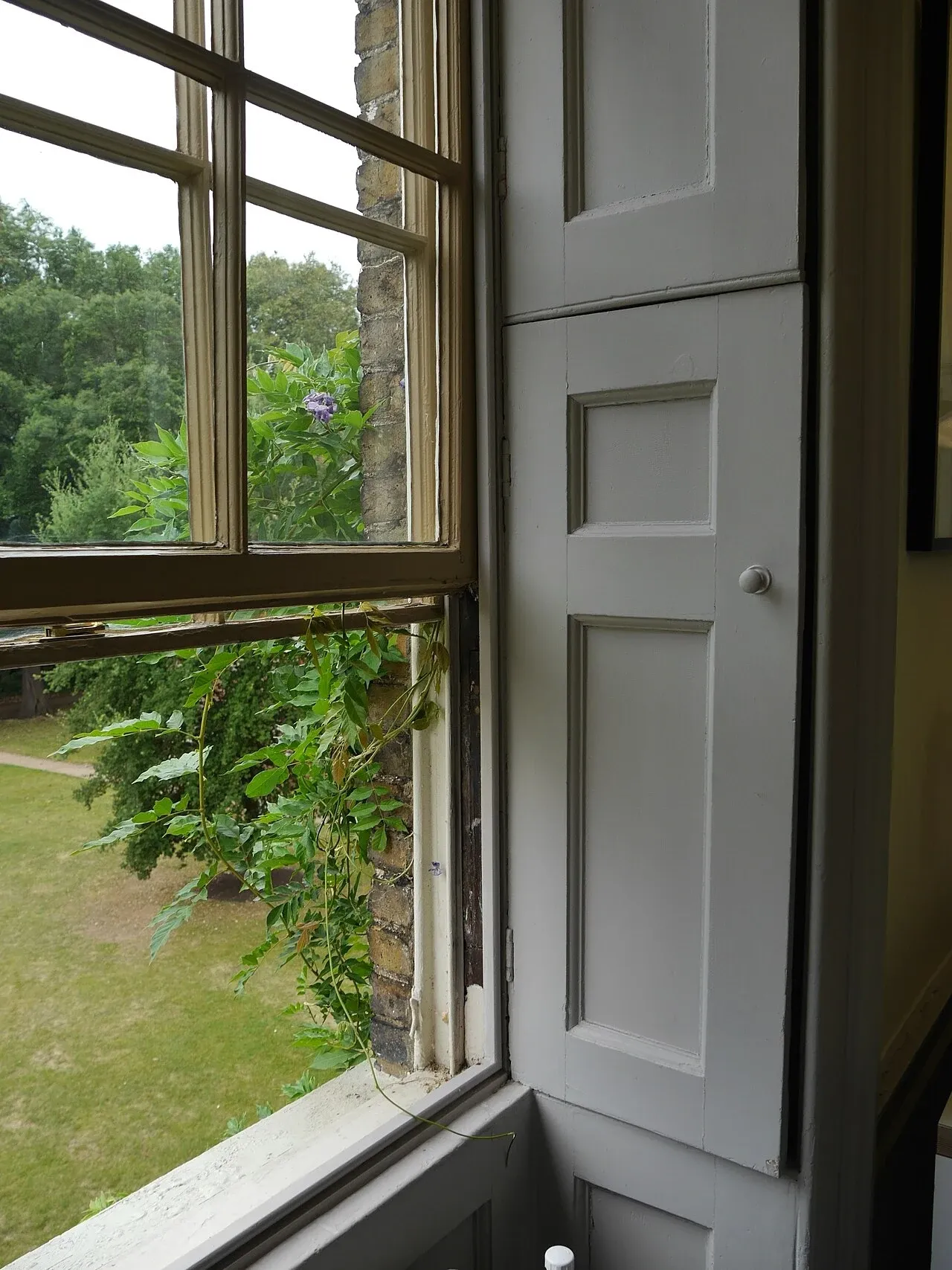
Illustrative sash-window example at Fulham Palace, England; not an Adelaide installation. Photo: Fulham Palace first floor, Black Sun offices, September 2016 08.jpg — Edwardx. CC BY-SA 4.0. Proportionally resized and encoded WebP; no content alterations. Image derivative retains CC BY-SA 4.0.

Which window type suits your room: sliding or double-hung?
If you are deciding between sliding and double-hung windows, the core difference is the direction of movement. A sliding window moves left or right along a horizontal track, while a double-hung window slides vertically, with both the top and bottom sashes independently movable. That single difference in direction creates meaningful practical consequences for how you ventilate, screen, and clean each window — and those questions are worth working through before you commit to a style.
How each type operates
Stegbar’s residential catalogue describes horizontal track movement for its sliding windows and vertical movement of the upper and lower sashes for its double-hung windows. Ask the supplier to demonstrate the exact proposed configuration.
For daily use, this means:
- A sliding window is opened by pushing one sash sideways along a track that runs parallel to the face of the wall. In most two-sash configurations, roughly half the frame area can be opened at any time.
- A double-hung window can be opened at the top, the bottom, or both simultaneously. That flexibility lets you draw warm air out from the top sash while admitting cooler air at the bottom — a ventilation arrangement worth discussing with your window supplier for bedrooms or living rooms where airflow direction matters.
Neither style swings outward, so both are suitable for locations close to walkways, pergolas or furniture where a projecting sash would be inconvenient. If outward clearance is not a concern, it is worth also considering awning or casement styles — see the guide to awning versus casement window comparison for context.
Describing your room use to a supplier
Before requesting quotes or samples, it helps to map out the practical requirements of each room. A few specific questions to consider:
- Which direction does the opening face? Ask the designer how the proposed sliding arrangement and available opening area relate to the intended ventilation plan for this room. The Australian Government’s YourHome glazing guide notes that sliding and double-hung windows “cannot ‘reach out’ to passing breezes,” which is a useful point to raise when discussing cross-ventilation with your installer.
- Who will operate the window? A double-hung sash requires lifting or pushing downward; a sliding sash requires lateral force. If the window will be used by people with limited reach or grip strength, ask suppliers specifically about operating-force requirements and handle heights for each model you are considering.
- What is the sill height? A sliding window opened at floor level may feel different in use than a double-hung where only the lower sash is raised. If the sill is high — say, in a bathroom or laundry — the difference in reach may be significant.
Questions about screens
Screen arrangements differ between the two styles, and this is a point where it pays to ask the specific supplier about the exact model you are quoting.
Stegbar lists several screening types and retractable options for particular doors and some windows. That product-range description does not establish compatibility with every window model. Ask directly:
- Does this specific model accept a full-height insect screen, or only a half-screen?
- If I open both sashes on a double-hung window simultaneously, is any part of the opening unscreened?
- Are security screens available for this style, and do they affect the operating force needed to move the sash?
For properties in bushfire-prone areas, screen compliance requirements add another layer. The guide to window hardware and locking options covers hardware-related questions in more detail.
Cleaning access — a practical difference
The Stegbar catalogue describes internal and external glass-cleaning access as a feature of its double-hung product. Before assuming this applies to any specific model you are quoting, ask the supplier to demonstrate how that model’s sashes move and confirm that the glass sections you need to reach are actually accessible from indoors in the installed position — sash geometry varies between models.
Ask the supplier how each exterior glass surface can be cleaned safely in the actual proposed configuration and installed position. If access is high or restricted, request a professional access assessment rather than planning to reach through or across an opening.
Hypothetical scenario (illustrative only, not a customer account): Imagine a two-storey home where the upper-floor study has a wide sliding window above a narrow roof void — no gutter access and a long drop to ground. In that setting, the fixed sash would be difficult to clean externally without scaffolding. A double-hung in the same opening might allow both glass faces to be reached from inside by repositioning the sashes. Whether that is achievable depends on the specific model’s sash geometry — something to verify with the supplier using a sample or technical sheet, not assumed from the style category alone.
Comparing samples and reading the manufacturer’s data
Style categories — “sliding” and “double-hung” — describe the operating mechanism, not the full product. Within each category, different manufacturers produce models with different:
- Frame depths and sill profiles
- Sash weight and track friction
- Weatherseal type and draught performance
- Hardware options (handle placement, key-lockable fittings, child-safety restrictors)
If you can inspect physical samples or visit a showroom, the most useful things to test are sash operating force, locking handle position, and how the screen attaches and detaches. Bring the room dimensions and sill height so the supplier can confirm that the sash opening area and handle reach are suited to your situation.
The AGWA Guide to Window and Door Selection notes that windows are tested for operating force as part of the AS 2047 test regime — confirming that “opening force is within the set limits” is a formal performance criterion. That does not mean every model will feel equally light in practice, so a hands-on test where possible is worthwhile.
Recording what you have chosen and the installation scope
Once you settle on a style and model, it is useful to note in writing:
- The exact model name, frame colour and finish
- The glass specification (clear, tinted, Low-E, double-glazed)
- The screen type and colour, if included
- Which sashes are openable and which are fixed
- Whether child fall prevention measures are required — ask your installer or certifier which NCC and AS 5203 requirements apply to each window in your specific project, including sill height, floor level and window type, as conditions vary
- Hardware options chosen — key-locking arrangements, handles
In South Australia, building work must be supervised by a registered building work supervisor, and contractors carrying out window installation are required to hold a building work contractor’s licence. Confirm with your installer that the installed scope matches the written quote before work begins. The guide to window accessibility and operation assessment covers related assessment considerations.
If you would like to explore whether a referral to a window supplier or installer is available for your Adelaide project, you are welcome to submit an enquiry.
Further reading
- Stegbar Residential Aluminium Windows & Doors catalogue: stegbar.com.au
- AGWA Guide to the Selection and Certification of Windows and Doors: agwa.com.au
- YourHome Glazing guide (Australian Government): yourhome.gov.au
- SA Government — Building work contractor’s licence: sa.gov.au