Clearfox Windows · Adelaide window specialists
Security Screens vs Security Glass for Windows
By Clearfox Windows · Published 8 October 2026
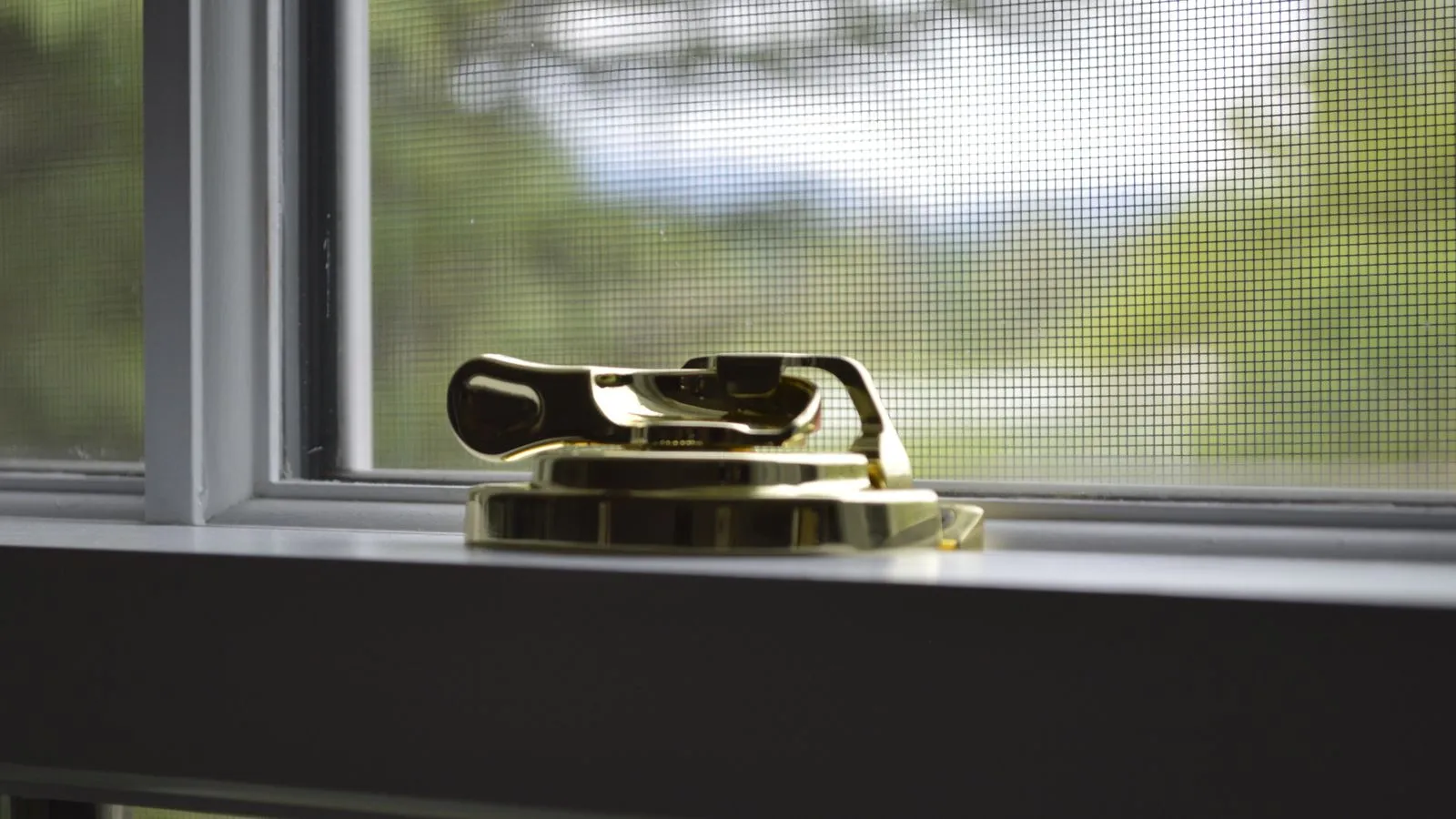
Are security screens for windows better than security glass?
For most Adelaide homes, security screens for windows give the most protection for the money: a stainless-steel mesh screen stops someone reaching the glass at all and still lets you open the window for a breeze. Security glass, usually laminated, suits openings you rarely open, street-facing glass, or homes that want no visible screen.
They solve slightly different problems, and plenty of homes end up with a mix. This guide explains how each one works, what the Australian Standards cover, where each makes sense in Adelaide, and how the costs compare.
How security screens work
A security screen is a frame fitted over (or into the reveal of) a window, holding a panel of woven or perforated stainless-steel mesh, or aluminium grilles, that is fixed to the window frame or the wall around it. The idea is simple: an intruder has to defeat the screen before they can even reach the glass.
What matters in a security screen:
- The mesh or grille. Stainless-steel mesh is the common choice because it’s strong, see-through and doubles as an insect screen.
- The frame and the way the mesh is held. A strong mesh in a weak frame is only as good as the frame. The mesh-retention system is where cheaper screens tend to fail.
- The fixing. Screws into sound timber, brick or a solid sub-frame, with tamper-resistant fixings. A screen held by a few short screws into soft timber isn’t doing much.
- Locks and openings. Fixed screens suit windows that don’t need to be opened from outside. Hinged or sliding screens need keyed locks.
Screens and the Australian Standard
Security screens and grilles for homes are covered by AS 5039 (security screen doors and security window grilles), which sets minimum performance against forced entry. The test methods sit in AS 5039.3:2023, which replaced the older AS 5041, and include tests such as dynamic impact, jemmy, pull, probe and knife shear. AS 5040 covers installation.
The practical takeaway: a product can only claim to meet the standard if it has been tested. When we quote security screens, we pass on the test documentation for the product we’re quoting where the manufacturer supplies it, so you can see what it was tested to. If a quote can’t show you that, ask why.
How security glass works
“Security glass” isn’t one product. In a home window it usually means laminated glass: two or more sheets of glass bonded to a plastic interlayer (commonly PVB). When it’s struck, the glass cracks but the interlayer holds the pieces in the frame, so it takes repeated effort to make a hole big enough to climb through. Thicker laminates and stronger interlayers raise the effort required.
Toughened glass is sometimes sold as “security” glass because it’s harder to break than ordinary float glass. But once it does break it shatters into small granular pieces and the opening is clear. That makes it a safety glass rather than a security glass. Our guide to laminated vs toughened glass goes through the difference in more detail.
What laminated glass does well:
- No visible screen. The view and the look of the facade stay clean, which matters on heritage fronts and feature windows.
- Holds together when broken. Good for safety as well as security.
- Side benefits. Laminated glass cuts more UV than plain float glass and can help with noise, especially acoustic laminates.
What it doesn’t do: it does nothing once the window is open. A laminated awning window wound open on a hot night is no more secure than any other open window.
Security screens vs security glass: side by side
| Security screens | Laminated security glass | |
|---|---|---|
| Protects when window is open | Yes (fixed or locked screen) | No |
| Ventilation and insect screening | Yes | No (needs separate fly screen) |
| Visible from the street | Yes, though fine mesh is discreet | No |
| Fits existing windows | Usually, without replacing the window | Needs reglazing or a new window or sash |
| Fire-escape consideration | Needs thought (see below) | Glass can still be broken from inside if needed |
| Typical Adelaide price | $400–$900 per opening on existing windows | Usually part of a new window or full system |
A full security-window system — frame, reinforced laminated glazing and a security screen together — typically runs $2,500–$6,000 per opening in Adelaide. Screens fitted to existing windows usually run $400–$900 per opening. These are typical guides; size, mesh type, fixing conditions and access move the number.
Where each makes sense in Adelaide homes
Ground-floor bedrooms and living areas
Ground-level openings are the easiest to reach. For bedrooms in Adelaide, where people like windows open on summer nights, screens are hard to beat: you get the breeze and keep the security. Awning and casement windows pair well with fixed screens because the screen sits outside or inside the sash without getting in the way. See our awning windows and casement windows pages.
Street-facing and heritage frontages
On a sandstone villa in Unley or Norwood, a bank of screens across the front can spoil the facade, and heritage overlays may limit what’s visible from the street. Laminated glass is often the neater answer for the front rooms, with screens on the side and rear windows where they’re out of sight. Our heritage window guide covers the approvals side.
Large fixed glass and feature windows
Big fixed panes don’t open, so ventilation isn’t a factor. Laminated glass protects them without a screen interrupting the view.
Rural and Adelaide Hills properties
Homes left empty during the day, set back from the road or out of sight of neighbours often go for screens on every accessible opening. In bushfire-prone areas, think about how screens and glazing fit with the property’s Bushfire Attack Level requirements, which can specify screening and glass for some BAL levels. Your BAL assessor, builder or certifier confirms what applies; our BAL windows guide explains the levels.
Don’t forget escape routes
Security has to be balanced against getting out in a fire. A fixed screen on every bedroom window can turn a bedroom into a room with one exit. Options include:
- hinged screens with a keyed lock that’s easy to open from inside, with the key kept nearby
- leaving at least one escape-capable opening in each sleeping area
- discussing smoke alarms and the household escape plan when you plan the screens
We raise this at the measure so the layout works for both security and safety.
Combining them
Screens and laminated glass aren’t either/or. A common Adelaide setup is:
- security screens on bedroom and rear windows you open often
- laminated glass on street-facing and large fixed glass
- keyed locks on all opening sashes
If you’re replacing the windows anyway, specifying laminated glass at the same time is usually simpler than adding it later. If the windows are sound, screens on the existing frames are the quicker upgrade.
Related services
We quote and install security windows and security screens, replacement windows with laminated glass, and awning and casement windows that pair well with fixed screens, across Adelaide metro and the Adelaide Hills.
Frequently asked questions
Are security screens worth it on windows?
For windows you open regularly, yes, in most cases. A tested stainless-steel mesh screen stops access to the glass while letting air and light through, and it also works as an insect screen. Ask for the product’s AS 5039 test documentation so you know what you’re getting.
Is laminated glass the same as security glass?
Laminated glass is the most common type of security glass in homes. Its plastic interlayer holds the glass in place after it cracks, so getting through takes sustained effort. Thicker laminates resist more, but no glass stops a determined attack indefinitely.
Is toughened glass a security glass?
Not really. Toughened glass is stronger than ordinary glass and is a safety glass because it breaks into small granular pieces, but once broken the opening is clear. For security, laminated glass or a screen is the better choice.
How much do security screens cost in Adelaide?
As a typical guide, $400–$900 per opening for security screens fitted to existing windows, and $2,500–$6,000 per opening for a full security-window system with frame, reinforced glazing and screen. The written quote after the measure sets out the exact figure.
Can security screens be fitted to my existing windows?
Usually, yes, provided the frame or the surrounding wall gives a solid fixing. We check the frame condition and the fixing points at the measure. If the frame is failing, replacing the window first may be the better spend.
Do security screens block the view or the light?
Fine stainless mesh reduces light a little and is visible up close, but from inside most people stop noticing it. If an unbroken view matters most, laminated glass keeps the window clear.
Get a quote for security windows
Tell us which windows you’re worried about and how you use them, and we’ll recommend screens, laminated glass or a mix. Every job starts with a free on-site measure and a written, itemised quote. Request a quote online or call 0468 038 136, and we’ll get back to you within 24–48 hours.