Clearfox Windows · Adelaide window specialists
Bushfire Attack Level (BAL) and Your Windows in SA
By Clearfox Windows · Published 8 October 2026
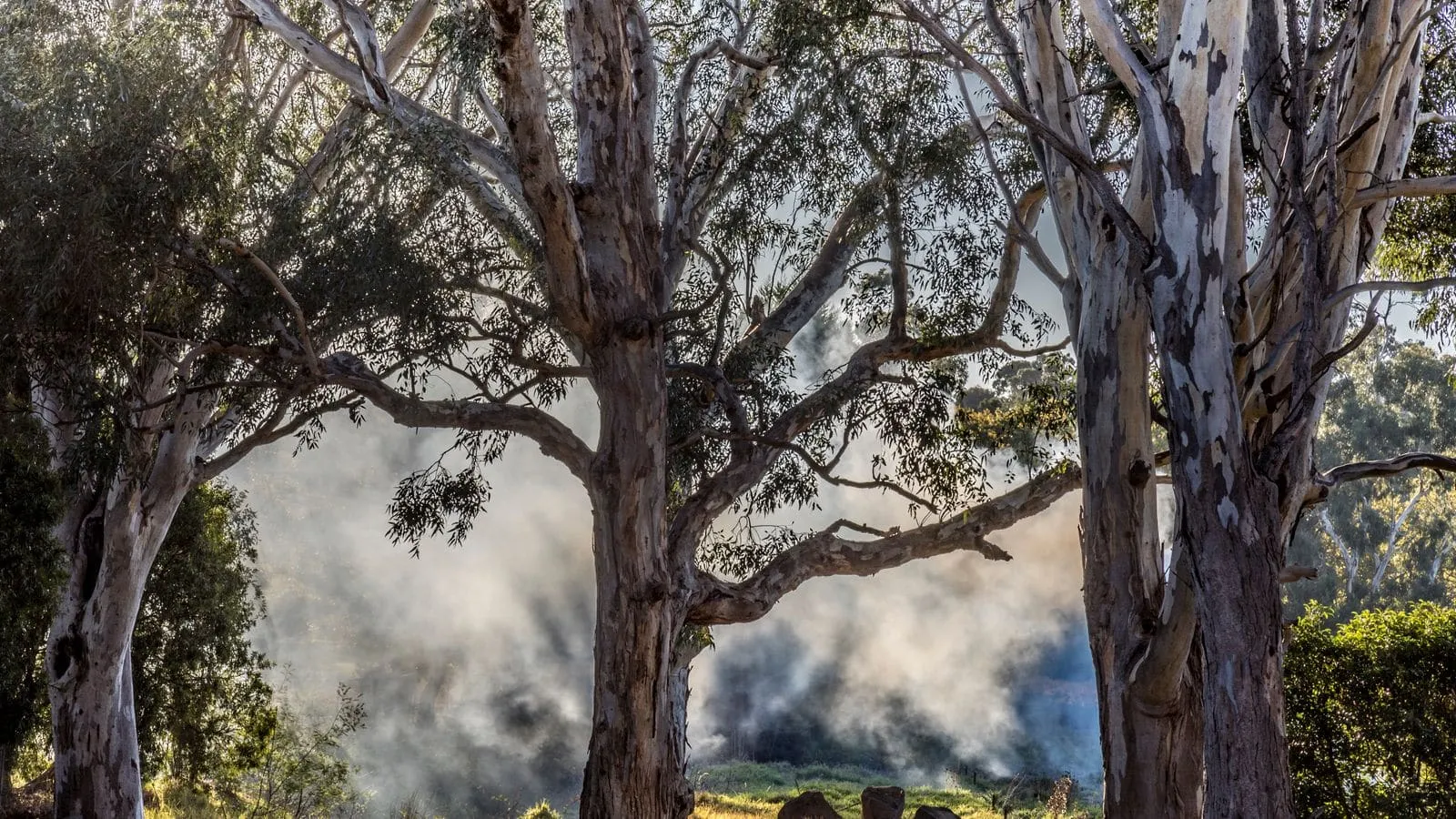
How does the bushfire attack level affect your windows?
The bushfire attack level (BAL) measures how exposed a building is to ember attack, radiant heat and flame. Under AS 3959 there are six levels, from BAL-LOW to BAL-FZ, and the higher the level, the stricter the requirements for windows. In Adelaide’s bushfire-prone areas, your BAL assessment, builder or certifier confirms what your windows must meet.
Much of the Adelaide Hills, and parts of the foothills and outer suburbs, are mapped as bushfire risk areas. If you’re building, extending or replacing windows in those places, the BAL is the first thing to pin down. It shapes the frame, the glass, the screens and sometimes whether you need shutters.
The six bushfire attack levels
AS 3959 (Construction of buildings in bushfire-prone areas) sets out six levels:
| BAL | What it describes |
|---|---|
| BAL-LOW | Very low risk; no specific construction requirements under AS 3959 |
| BAL-12.5 | Ember attack risk |
| BAL-19 | Increasing ember attack and burning debris, with some radiant heat |
| BAL-29 | Increasing ember attack, burning debris and higher radiant heat |
| BAL-40 | Higher radiant heat and the likelihood of exposure to flames |
| BAL-FZ | Flame zone: direct exposure to flames from the fire front |
This is a simplified, general guide, not a specification. The construction requirements for windows step up with each level and cover things such as the frame material, the type and thickness of glass, ember screens over openable sashes, and the gaps and seals around the window. At BAL-40 and BAL-FZ, windows typically need to be a tested system or be protected by bushfire shutters. Your BAL assessment, builder or certifier will confirm the exact requirements for your property.
How BAL works in South Australia
In South Australia, bushfire risk is mapped through Hazards (Bushfire) overlays in the Planning and Design Code. The main overlays include High Risk, Medium Risk, General Risk and Urban Interface.
For new dwellings, the overlay drives the BAL:
- General risk areas: BAL-LOW applies.
- Medium risk areas: BAL-12.5 applies.
- High risk areas, and urban interface areas within 100 metres of a high-risk area: a site-specific assessment under AS 3959 sets the BAL.
In high bushfire risk areas, new dwellings and additions with habitable rooms are also referred to the CFS. You can check which overlays apply to a property in the SA Property and Planning Atlas on PlanSA.
What a bushfire attack level assessment involves
A bushfire attack level assessment looks at the vegetation around the site, the distance from the building to that vegetation, and the slope of the land. Those three things combine to produce the BAL for each side of the building. It’s carried out by a qualified bushfire assessor, or worked out as part of the planning and building approval for a new home.
A few practical points for window planning:
- Different elevations can differ. A house facing open paddock on one side and steep scrub on the other may have different exposure on each face. Ask your assessor how the result applies across the building.
- Downhill slopes matter. Fire runs faster uphill, so a house above a vegetated gully, common around Stirling, Aldgate and Bridgewater, can be assessed higher than you might expect.
- Get the BAL before ordering. Windows are made to order. The specification has to be settled before manufacture, not after.
Replacing windows in an existing Hills home
Whether replacement windows in an existing home must meet a particular BAL depends on the scope of the work and the approvals involved. A like-for-like swap is treated differently from an extension or a new opening. Check with your council or a building certifier before you order.
Even where it isn’t strictly required, many Hills homeowners choose to replace with windows suited to their property’s exposure. If you already have a BAL assessment from a past build or extension, keep it handy for the measure.
Bushfire window shutters and screens
Two add-ons come up often in bushfire areas:
- Ember screens. Mesh screens over openable sashes stop embers entering through an open window. Requirements for mesh material and aperture depend on the BAL. Fly screens are not the same thing.
- Bushfire window shutters. At higher levels, shutters that close over the window can protect the glass. They’re a separate product category; we don’t supply shutters, but we can work with a shutter specification from your builder or assessor so the window and shutter suit each other.
Frame and glass choices in bushfire areas
Aluminium is common in bushfire areas because it doesn’t burn, but frame material alone doesn’t make a window suitable. Timber, uPVC and aluminium systems can all be used at certain levels when the product is designed and documented for it. Glass type and thickness vary with the level, and toughened glass is commonly specified at higher BALs.
Where the products we quote carry bushfire test documentation from the manufacturer, we pass it on with the quote so your builder or certifier can check it. We don’t certify a building’s compliance; that’s the job of your certifier.
The Hills also get cold. The window that suits your BAL still needs to keep heat in through winter, so double glazing is worth considering at the same time. Our guide to energy-efficient windows, BAL ratings and U-values covers the thermal side.
Related services
We supply and install new build windows, replacement windows and aluminium windows across the Adelaide Hills, including Stirling, Aldgate, Bridgewater, Hahndorf and Mount Barker, as well as the foothill suburbs of the eastern and southern suburbs.
Frequently asked questions
What is a bushfire attack level?
A bushfire attack level (BAL) is a measure of how exposed a building is to ember attack, radiant heat and direct flame contact in a bushfire. AS 3959 defines six levels: BAL-LOW, BAL-12.5, BAL-19, BAL-29, BAL-40 and BAL-FZ.
How do I find out my property’s BAL in South Australia?
Start by checking the Hazards (Bushfire) overlays for your property in the SA Property and Planning Atlas on PlanSA. In high risk areas a site-specific bushfire attack level assessment under AS 3959 sets the BAL, and your council or certifier can explain what applies.
Do replacement windows in the Adelaide Hills need to be BAL rated?
It depends on the scope of the work and the approvals involved, so check with your council or a building certifier before ordering. Many Hills homeowners choose windows suited to their exposure even when a like-for-like replacement doesn’t strictly require it.
Do I need bushfire shutters on my windows?
At BAL-40 and BAL-FZ, windows typically need to be a tested system or be protected by bushfire shutters. Your BAL assessment, builder or certifier confirms what your property needs.
Are aluminium windows better for bushfire areas?
Aluminium doesn’t burn, which is why it’s common in bushfire areas, but the frame material alone doesn’t make a window suitable. The glass, screens and seals matter too, and timber and uPVC systems can be used at some levels when the product is documented for it.
Can I get double glazing in a bushfire area?
Yes. Double glazing and bushfire requirements are separate considerations, and many window systems used in bushfire areas are available double glazed. The Hills’ cold winters make it worth considering.
Get a quote
Tell us your property’s BAL if you know it, or what your builder or assessor has advised, and we’ll quote windows to suit. We measure on site and give you a written, itemised quote with the product documentation attached where the manufacturer provides it. Request a quote or call 0468 038 136, and we’ll get back to you within 24–48 hours.