Clearfox Windows · Adelaide window specialists
Laminated vs Toughened Glass: Safety Glass for Windows
By Clearfox Windows · Published 8 October 2026
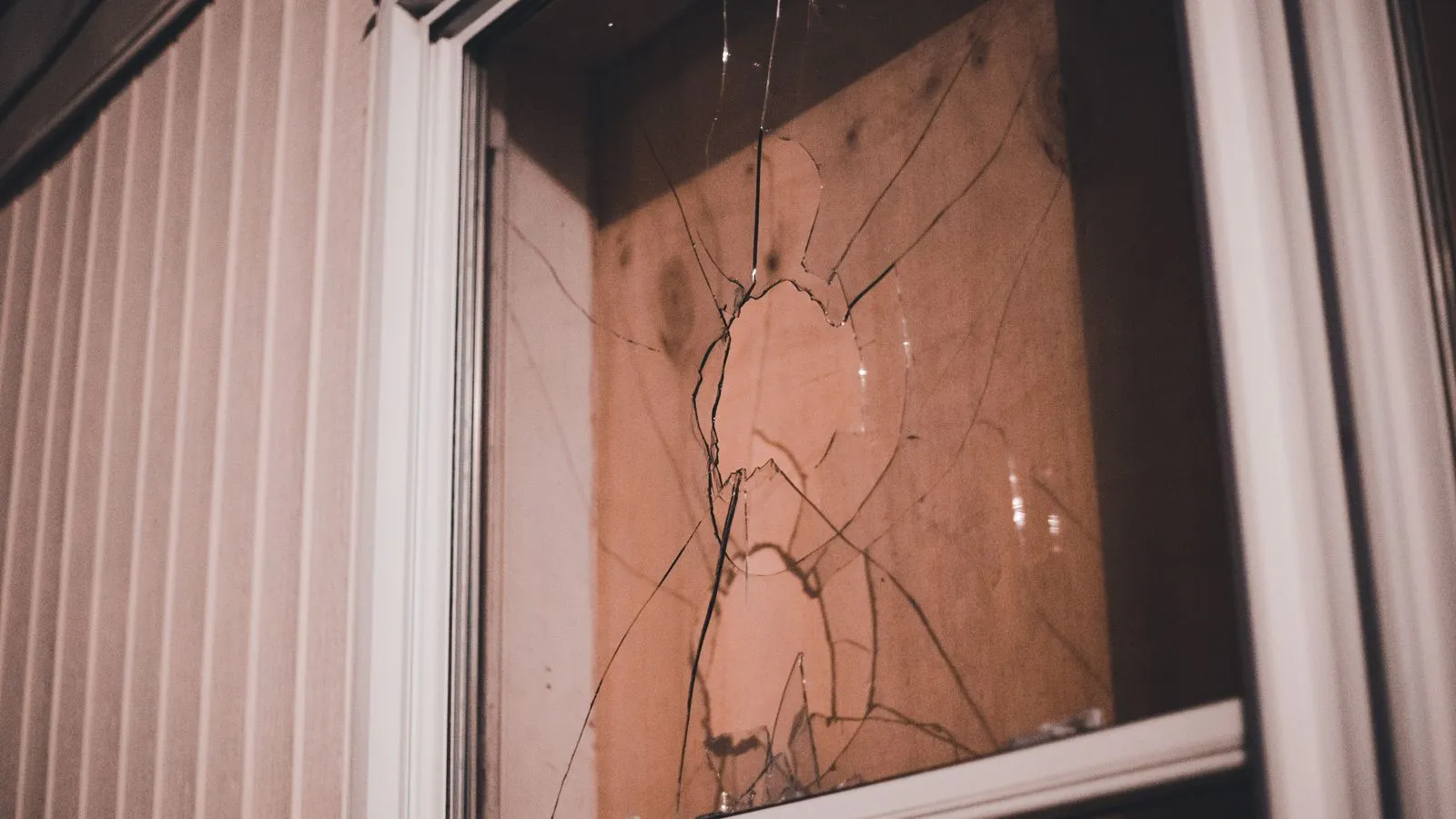
Laminated glass or toughened glass: which do you need?
Both laminated glass and toughened glass are Grade A safety glass, but they fail differently. Laminated glass cracks and stays in the frame, so it adds security, noise control and UV protection. Toughened glass is stronger and breaks into small granular pieces. In Adelaide homes, laminated usually suits windows; toughened suits large panels, doors and showers.
Which one goes where depends on the location of the glass, what you want it to do beyond safety, and what the standard requires. Here’s a plain-English guide.
What safety glass is
Ordinary annealed (float) glass breaks into long, sharp shards. Safety glass is designed to reduce the chance of serious injury if someone falls or walks into it. In Australian homes, the two common Grade A safety glasses are:
- Toughened glass — heat-treated so it’s much stronger than ordinary glass and, when it does break, it shatters into small, relatively blunt granules.
- Laminated glass — two or more sheets of glass bonded to a plastic interlayer (commonly PVB). When it breaks, the pieces stick to the interlayer and the pane stays in the frame.
Safety glass carries a permanent mark in a corner of each pane identifying it, often including a letter such as “T” for toughened or “L” for laminated. If you’re not sure whether your existing windows have safety glass, that mark is the first thing to look for.
Where safety glass is required
AS 1288 (Glass in buildings — Selection and installation) sets out where safety glass must be used. It focuses on “human impact” locations, where people are most likely to bump into or fall against glass. In homes these include:
- glass in doors
- glass beside doors (side panels close to a door)
- low-level glass near the floor
- bathrooms, showers and areas where people might slip on wet surfaces
The exact zones, heights and glass thicknesses depend on the pane size and position, so your glazier, builder or certifier confirms what applies to each window. When we measure, we note which openings sit in these zones and specify the glass to suit.
Older Adelaide homes, especially those built before current safety-glass rules, often have ordinary float glass in places that would need safety glass today, such as low-level panes in villas and bungalows or glass beside the front door. Replacing those panes or windows is a good chance to bring them up to date.
Laminated glass: strengths and trade-offs
Why people choose it:
- Stays in place when broken. Good for safety, and the opening stays closed until the glass is replaced.
- Security. Getting through laminated glass takes sustained effort, which is why it’s the usual “security glass” in homes. Our guide on security screens vs security glass compares it with screens.
- Noise. The interlayer dampens sound, and acoustic laminates are made specifically for this. Useful near main roads; see our soundproof windows guide.
- UV. The interlayer blocks most UV, which helps reduce fading of floors and furniture.
- Combinable. It can be one pane in a double-glazed unit and can carry a Low-E coating.
Trade-offs:
- Usually costs more than float glass of similar thickness.
- Not as strong in bending as toughened glass of the same thickness, so very large spans may need thicker laminate.
- Edges need to be kept sealed and dry; the glazing system and installation matter.
Toughened glass: strengths and trade-offs
Why people choose it:
- Strength. Much stronger than ordinary glass against impact and heat stress, which suits large panels, glass doors, balustrades and frameless showers.
- Safer breakage. It breaks into small granules rather than long shards.
- Cost. Often a little cheaper than laminated for the same job.
Trade-offs:
- Once it breaks, the opening is open. It doesn’t hold together, so it adds little security.
- Can’t be cut after toughening. Every pane is made to size before treatment, so a mismeasure means remaking the pane.
- No noise or UV benefit beyond ordinary glass.
- Rare spontaneous breakage. Toughened glass can occasionally break without obvious impact, usually from tiny inclusions in the glass. It’s uncommon, but it’s one reason some people prefer laminated in overhead or high-risk positions.
Laminated vs toughened glass at a glance
| Laminated | Toughened | |
|---|---|---|
| Grade A safety glass | Yes | Yes |
| What happens when it breaks | Cracks, stays in the frame | Shatters into small granules |
| Security | Good | Low once broken |
| Noise reduction | Better, more so with acoustic laminate | Similar to float |
| UV protection | High | Similar to float |
| Strength | Good | Higher for the same thickness |
| Can be cut on site | Yes, in some cases | No |
| Typical home uses | Windows, street-facing glass, skylights, noisy sites | Doors, large panels, showers, balustrades |
Which to choose for Adelaide windows
For most residential windows, laminated is the safer all-rounder: it meets the safety need and adds security, noise and UV benefits that suit Adelaide homes near busy roads or with sunny living areas. Typical choices:
- Bedrooms and living rooms at ground level: laminated, especially where security matters.
- Bathrooms and laundries: laminated or toughened, often with obscure glass for privacy. Awning windows are popular here; see our awning windows page.
- Large fixed panes and floor-to-ceiling glass: toughened, laminated, or a toughened-laminated combination depending on the size and the standard’s requirements.
- Homes near main roads: acoustic laminated glass, often in a double-glazed unit.
- Bushfire-prone areas: the glass type and thickness may be set by the property’s Bushfire Attack Level under AS 3959. Your BAL assessor, builder or certifier confirms what applies; our BAL windows guide explains the levels.
Double-glazed units can use different glass in each pane, for example toughened on one side and laminated on the other, so you can get safety, security and thermal performance together. The Low-E glass guide covers the thermal side.
Cost
Safety glass adds to the glass line of a quote; how much depends on thickness, size, coatings and whether it’s in a double-glazed unit. As a typical guide for Adelaide homes, replacement windows run $700–$5,500 per opening fitted single-glazed and $1,500–$8,500 double-glazed, with the glass specification one of the factors. We itemise glass separately so you can see what each option adds.
Related services
We quote and install window installation and replacement windows with the glass specified for each opening, security windows with laminated glazing and screens, and awning windows for bathrooms and laundries, across Adelaide metro and the Adelaide Hills.
Frequently asked questions
Is laminated glass stronger than toughened glass?
No. Toughened glass is stronger against impact for the same thickness. Laminated glass is chosen because it stays in the frame when broken, which gives better security and safety in many window positions, plus noise and UV benefits.
Is laminated glass a safety glass?
Yes. Laminated glass that meets the standard is a Grade A safety glass. Toughened glass is too. Both carry a permanent identifying mark in the corner of the pane.
Where is safety glass required in a house?
AS 1288 requires safety glass in human-impact locations such as doors, glass beside doors, low-level glass and bathroom or shower areas. The exact zones depend on the size and position of each pane, so your glazier, builder or certifier confirms what applies.
How can I tell if my window has safety glass?
Look for a permanent mark etched or printed in a corner of the pane. Safety glass is marked to identify it, often with a letter such as “T” for toughened or “L” for laminated. If there’s no mark, assume it’s ordinary glass until a glazier checks it.
Does laminated glass reduce noise?
Yes. The plastic interlayer dampens sound better than ordinary or toughened glass, and acoustic laminates are designed for it. Seals and airtight frames matter as much as the glass, so the whole window needs to be right.
Can double glazing use laminated or toughened glass?
Yes. Each pane in a double-glazed unit can be specified separately, so a unit can combine laminated, toughened and Low-E glass to meet safety, security and thermal needs together.
Get a quote
Want safety glass in the right places, or laminated glass for security and noise? We’ll check each opening against where it sits and what you need it to do. Every job starts with a free on-site measure and a written, itemised quote. Request a quote or call 0468 038 136, and we’ll get back to you within 24–48 hours.