Clearfox Windows · Adelaide window specialists
Low-E Glass vs Tinted vs Laminated: Adelaide Guide
By Clearfox Windows · Published 8 October 2026
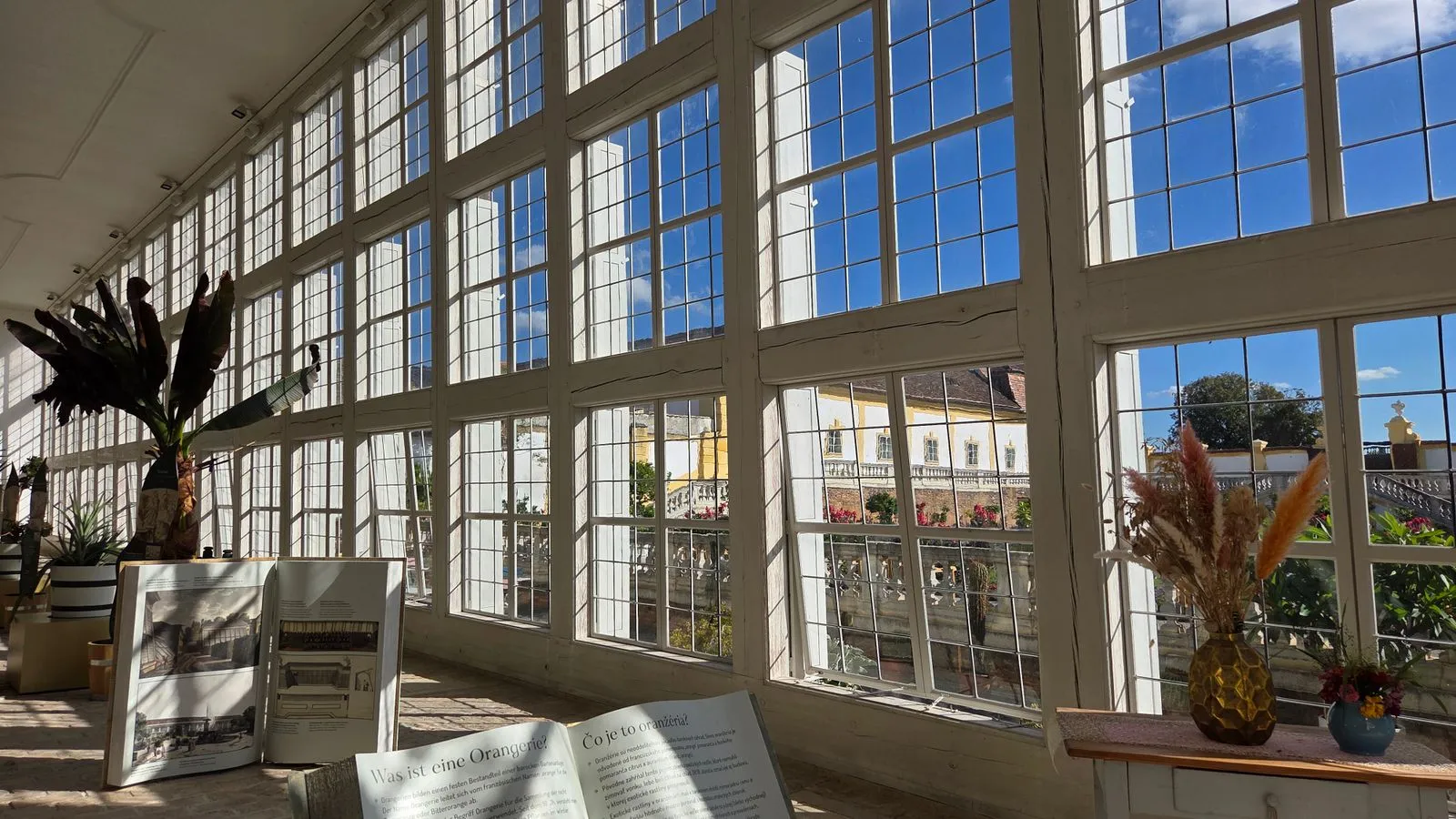
Is Low-E glass worth it in Adelaide?
For most Adelaide homes, Low-E glass is the most useful glass upgrade you can choose. Its invisible coating reflects heat, helping keep summer heat out and winter warmth in, without darkening rooms the way heavy tints do. Tinted glass mainly cuts glare and sun on hot west-facing windows; laminated glass adds safety, security and noise control.
Each glass type answers a different question. The right mix for your home depends on which way each window faces, how big it is and what’s bothering you about the current glass. Here’s how they compare for Adelaide’s climate.
Adelaide’s climate and why the glass matters
Adelaide swings between hot, dry summers with strong afternoon sun and cool, damp winters. That means windows do two jobs:
- Summer: keep solar heat from pouring in, especially through west- and north-west-facing glass in the late afternoon.
- Winter: keep the heat you’re paying for inside, and let welcome low winter sun in on north-facing windows.
Plain single glazing is weak at both. Glass choice, the frame and whether it’s double-glazed all change how a window performs. Two numbers describe that performance, and they’re worth knowing before you compare quotes:
- U-value — how readily heat passes through the whole window. Lower is better insulation.
- SHGC (solar heat gain coefficient) — how much of the sun’s heat gets through. Lower means less solar heat.
Where products carry published ratings (for example through the Window Energy Rating Scheme), those figures cover the whole window, frame and glass together. Our WERS ratings guide explains how to read them.
What Low-E glass does
Low-E (low-emissivity) glass has a microscopically thin metallic coating that reflects long-wave heat. It looks almost like clear glass. Depending on the type, it can:
- reduce heat loss in winter by reflecting warmth back into the room
- reduce solar heat gain in summer, with “solar control” Low-E coatings designed to block more of the sun’s heat
- cut UV, which helps protect floors and furnishings from fading
There are different Low-E products. Some are tuned to keep heat in (good for cold rooms and southern windows), others to keep sun out (good for west-facing glass). Low-E is often combined with double glazing, where the coating sits inside the sealed unit and is protected from cleaning and weather. It also comes on single glazing in a hard-coat form.
For Adelaide, Low-E’s big advantage is that it works in both seasons. A single, well-chosen Low-E glass can noticeably improve comfort year-round without making rooms dim.
Tinted glass for homes
Tinted glass has colour (grey, bronze, green or blue) through the body of the glass. It absorbs part of the sun’s energy and reduces glare and brightness.
Where tint helps:
- big west-facing windows that cop the afternoon sun
- rooms where glare on screens is a problem
- privacy during the day
The trade-offs:
- it darkens the room and the view all year, including winter when you’d like the light
- on its own, tint does little to stop heat escaping in winter
- body-tinted glass absorbs heat and can get warm itself
Many people searching for “tinted windows” for their home actually want less heat and glare on existing glass rather than new windows. If your frames are fine and the issue is one or two hot windows, window film may be the quicker fix. We supply and install windows only; for film on existing glass, Vista Fox handles residential window film in Adelaide. If you’re replacing the windows anyway, solar-control Low-E or a light tint in a double-glazed unit is usually a better long-term answer than tint alone.
Laminated glass
Laminated glass bonds two sheets of glass to a plastic interlayer. It’s chosen for:
- safety — it stays in the frame when broken, and is a Grade A safety glass
- security — it takes sustained effort to break through
- noise — the interlayer dampens sound, and acoustic laminates do this better
- UV — the interlayer blocks most UV
Laminated glass on its own isn’t a thermal upgrade, but it can carry a Low-E coating or be used as one pane in a double-glazed unit. So you don’t always have to choose: a double-glazed unit with a laminated pane and a Low-E coating gives you safety, noise control and thermal performance in one. Our guide to laminated vs toughened glass covers the safety side.
Comparing the options
| Glass | Summer heat | Winter heat loss | Light and view | Safety / security / noise |
|---|---|---|---|---|
| Clear float (single) | Poor | Poor | Clear | None |
| Tinted | Better | Little change | Darker | None |
| Low-E (single) | Better (solar-control types) | Better | Near clear | None |
| Laminated | Little change | Little change | Clear | Good |
| Double-glazed with Low-E | Good | Good | Near clear | Add a laminated pane if needed |
This is a general guide. The real figures come from the product you’re quoted, so ask for its published U-value and SHGC.
Choosing glass by orientation
A practical way to plan an Adelaide home is to think window by window:
- West and north-west: solar-control Low-E, ideally double-glazed. Add external shading (eaves, awnings, deciduous trees) where you can — stopping the sun before it hits the glass is very effective.
- North: a Low-E that keeps heat in while still letting winter sun through. Good eaves let low winter sun in and keep high summer sun out.
- East: morning sun is milder; Low-E double glazing suits most rooms.
- South: little direct sun, so focus on keeping heat in. Low-E double glazing helps cold southern bedrooms.
- Bathrooms, street-facing, low-level glass: consider laminated or obscure glass for safety and privacy.
Homes in the Adelaide Hills lean more toward keeping heat in; homes on the plains with large west-facing living areas lean toward solar control.
Cost
Glass choice is one line on a window quote, alongside frame, hardware and installation. As a typical guide for Adelaide homes, double-glazed windows run $1,500–$8,500 per opening fitted, with the glass specification one of the factors that places a window within that range. Our double glazing cost guide breaks down the other factors. We itemise the glass on every quote so you can see what each option adds.
Related services
We quote and install energy-efficient windows, double glazing, uPVC windows and every common style of window installation across Adelaide metro and the Hills, with the glass specified window by window.
Frequently asked questions
What is Low-E glass?
Low-E glass has a thin, nearly invisible metallic coating that reflects heat. Depending on the product, it helps keep warmth in during winter, keeps solar heat out in summer, or both. It also reduces UV getting into the room.
Is Low-E glass better than tinted glass?
For most Adelaide homes, yes, because Low-E works in both summer and winter and keeps rooms brighter. Tinted glass reduces glare and some solar heat but darkens the room all year and does little for winter heat loss. Some west-facing windows use both.
Does Low-E glass make rooms darker?
Most Low-E glass looks close to clear, though solar-control types can have a slight tint or reflection. If natural light matters, ask to see a sample before you order, and check the product’s published visible light transmission.
Can I add Low-E to my existing windows?
Low-E is part of the glass itself, so adding it means replacing the glass or the window. If the frames are sound, reglazing or retrofit double glazing may be possible. For a quick fix on existing glass, window film is another route.
Is laminated glass energy efficient?
Laminated glass on its own isn’t a thermal upgrade, but it blocks most UV and helps with noise and security. It can be combined with a Low-E coating or used as one pane in a double-glazed unit to get thermal performance as well.
Which glass suits west-facing windows in Adelaide?
Solar-control Low-E, ideally in a double-glazed unit, suits most west-facing windows because it cuts afternoon solar heat without darkening the room too much. External shading such as an awning or eaves helps further.
Get a quote
Not sure which glass suits which window? We’ll look at orientation, room use and what’s bothering you, then specify the glass window by window. Every job starts with a free on-site measure and a written, itemised quote. Request a quote or call 0468 038 136, and we’ll get back to you within 24–48 hours.