
Clearfox Windows · Planning guides
Window installation waste and disposal
By JR Digital Services editorial team · Published 6 November 2026
Swipe tables sideways to see every column.
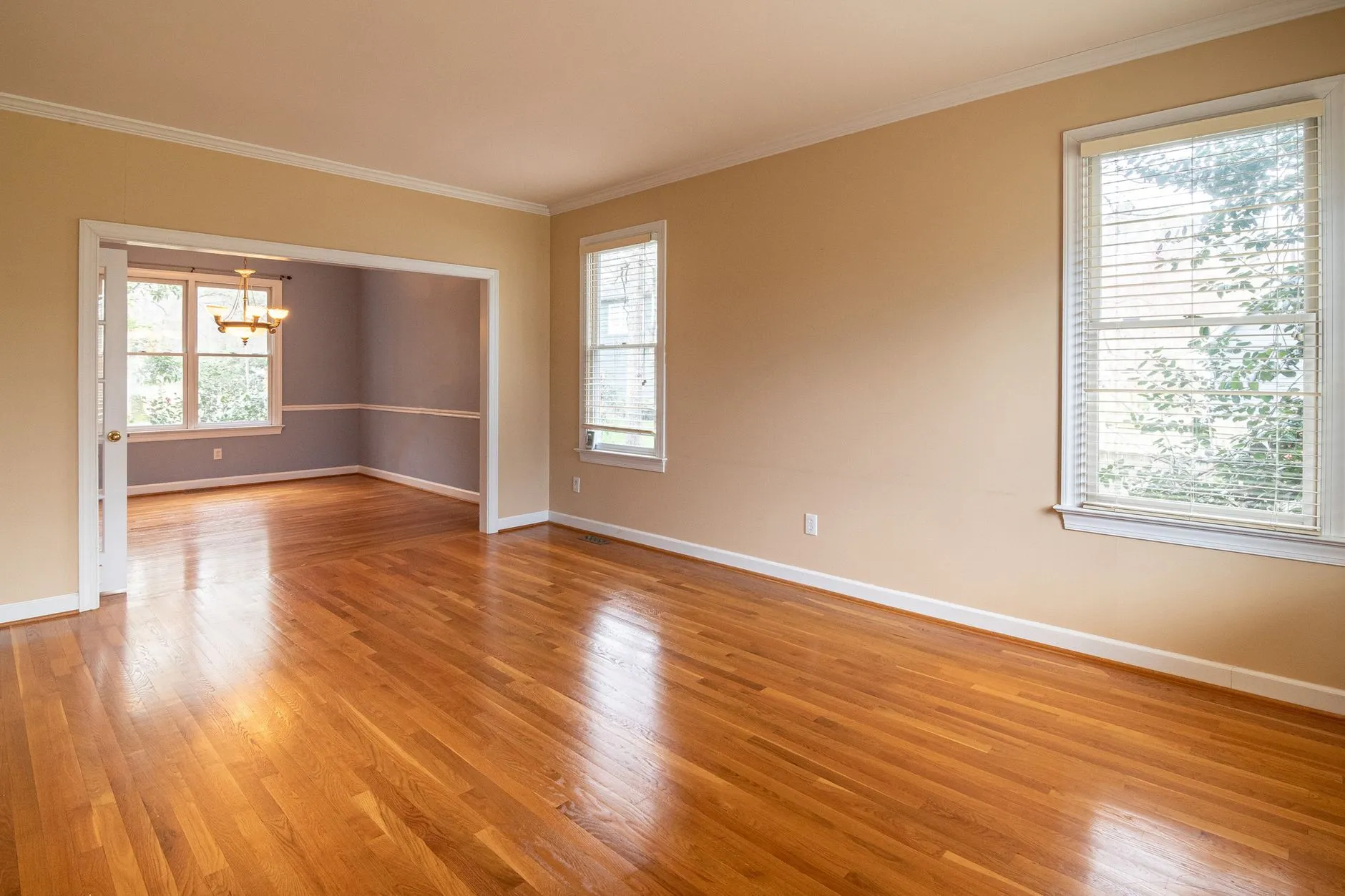
Illustrative stock photograph, not a local project or provider’s work. Photo: Curtis Adams. Pexels License.
What actually happens to your old windows during replacement?
When a window installer removes your existing frames and glass, the resulting waste — broken glass, aluminium sections, timber offcuts, sealant residue and hardware — is construction debris, not ordinary household rubbish. How that material leaves your property depends on what your contract says, what the material is made of, and whether the site involves anything that needs identification before it is disturbed. Understanding these distinctions before work begins means fewer surprises on the day.
Listing the existing items proposed for removal
A clearly scoped job starts with a list of what is coming out, not just what is going in. Before signing anything, it is worth running through the existing frames with your installer and confirming which items are within the removal scope. Common elements that may or may not be included:
- The glazed sash or panel itself
- The surrounding frame or sub-frame
- Any fixed flywire or screen channels
- Existing sill trays, flashings or architraves
- Hardware such as locks, stays and hinges
- Security grilles or bars fixed over the opening
Ask the installer how the actual frame fixing, wall construction and access conditions affect the proposed removal method, labour and price for each opening. Asking your installer to walk through the list opening by opening — rather than treating the whole job as a uniform scope — makes it much easier to spot what has been left out.
See also: Window quote schedule explained
Separating removal, transport and disposal allowances
Removal (taking the frame out of the wall), transport (getting it off-site) and disposal (taking it to a facility) are three distinct activities, and not every quote bundles all three together. Some installers include full disposal in their price; others remove the material to the kerb or a designated area on-site and expect the owner to arrange skip hire or council hard-waste collection separately.
Construction and demolition waste — including old window frames and glass — cannot go into standard kerbside yellow recycling bins. The Recycle Right SA guidance notes that this type of waste may be taken to a council transfer station, which may attract a fee, or disposed of through a recycling service or rubbish removal service.
For old glass specifically, Recycle Right SA states clearly that broken glass, window panes and mirrors are not recyclable through the yellow bin and should go in the waste bin if they cannot be reused — or, for larger quantities from a demolition, through appropriate construction waste channels.
Ask your installer in writing: does the quote include loading, transport and disposal? If not, who arranges and pays for it?
Questions about material identification before disturbance
Ask whether materials in or around the existing openings require identification or other professional assessment before they are disturbed. The SA Government’s builder responsibilities page states that builders should check for asbestos before starting work on a job, and that any asbestos removal should be done by a licensed professional.
This does not mean every old window contains a hazard. Before work starts, it is worth asking your installer: how do you assess whether any materials in or around the existing frames need to be identified before disturbance, and who carries out that assessment? Get the answer in writing before anything is disturbed.
Clarifying retained items and site clean-up
Not everything coming out needs to leave the property. Some homeowners want to retain removed frames for reuse elsewhere, salvage hardware for a heritage match, or keep aluminium sections for scrap. Others want the site completely cleared.
Think through:
- Retained items: Which frames or components, if any, do you want kept and stored?
- Interim storage: If the job runs across multiple days, where will removed frames be stored overnight without blocking access or damaging garden beds?
- Waste accumulation point: Where on the property can the skip or waste pile be placed without obstructing neighbouring properties or footpaths?
- End-of-day glass management: Broken glass on-site, even temporarily, creates a hazard. Ask what same-day glass handling looks like.
- Internal dust and debris: Frame removal creates dust and debris indoors. Confirm whether the installer’s scope includes internal clean-up or whether that falls to you.
Hypothetical scenario (illustrative only, not a customer story): Imagine a homeowner has a narrow side passage that is the only access point to the rear of a semi-detached home. If the installer’s skip needs to sit at the front and large sections of old aluminium framing need to travel through the house, neither party anticipated this until install day. Clarifying access and interim waste movement in advance is a practical question, not an unusual one.
Access and glazing removal in harder locations
Glass removal from upper floors, stairwell windows, or skylights raises both access and handling questions that differ from a standard ground-floor job. Large panes — particularly heavy double-glazed units — may require mechanical handling equipment or additional labour.
For upper-storey work, ask:
- Is scaffolding, an elevated work platform or a ladder included in the access plan?
- Who supplies that equipment, and is its hire cost part of the quoted price?
- For glass lowered from height, what fragmentation risk management is in place for people below?
The AGWA Guide to Residential Installation (hosted by Southern Star Windows) notes that windows and doors should be stored in a clean, dry area, raised off the ground, and handled carefully on site — guidance aimed at new product, but the guide addresses storage and handling of new product prior to installation; ask your installer specifically what their plan is for removing and managing large existing panes, particularly where fragmentation or weight is a factor.
Recording exclusions and changes to the disposal scope
If the proposed scope changes during the job, ask how the additional or revised removal work will be assessed and recorded. An installer who agreed to remove six windows may discover that a seventh — previously thought to be staying — is now also being replaced. Or a frame embedded in solid masonry may turn out to need a core drill or lintel check that was not anticipated. Each of those changes can alter what waste is generated and how it needs to be handled.
The SA Government guidance on domestic building contracts states that written contracts for work over a certain value must state a fixed price and payment terms, and that rise-and-fall clauses or provisional sums may be used where costs are uncertain. If your disposal scope is covered by a provisional sum or allowance rather than a fixed line item, ask what the cost basis is and what triggers an adjustment.
Written variation records — even a brief email exchange confirming a change — are more useful than verbal agreements when the scope grows mid-job. Ask your installer how they document scope changes and whether that includes changes to the disposal or removal scope specifically.
See also: Window installation handover checklist | Window replacement process Adelaide
Practical pre-job checklist (hypothetical illustration only)
The following is a discussion prompt list, not a universal industry standard or handover requirement:
| Question | Confirm in writing? |
|---|---|
| Which items are within the removal scope? | Yes |
| Does the price include transport and disposal, or only removal? | Yes |
| Has the presence of any materials of concern been considered before disturbance? | Yes |
| Which items (if any) will be retained by the owner? | Yes |
| Where will waste be staged on-site, and for how long? | Yes |
| What is the access plan for upper-floor or restricted openings? | Yes |
| How will scope changes to the disposal work be documented and priced? | Yes |
Further reading
- Recycle Right SA — A to Z items guide (construction and glass): https://recycleright.sa.gov.au/a-z-items
- AGWA Guide to Residential Installation (Version 3, hosted by Southern Star Windows): https://southernstarwindows.com.au/wp-content/uploads/2024/03/AGWA-Guide-to-Residential-Installation.pdf
- SA Government — Builder responsibilities (contracts, asbestos, compliance): https://www.sa.gov.au/topics/business-and-trade/building-industry/planning-professionals/builder-responsibilities
- SA Government — Building work contractor’s licence: https://www.sa.gov.au/topics/business-and-trade/licensing/building-and-trades/building-work-contractor-s-licence
If you would like to explore a referral to a window installer who can discuss disposal scope and site access for your property, use the enquiry form to submit a request and we will follow up where a referral may be available.