
Clearfox Windows · Planning guides
Window draught assessment before replacement
By JR Digital Services editorial team · Published 6 November 2026
Swipe tables sideways to see every column.
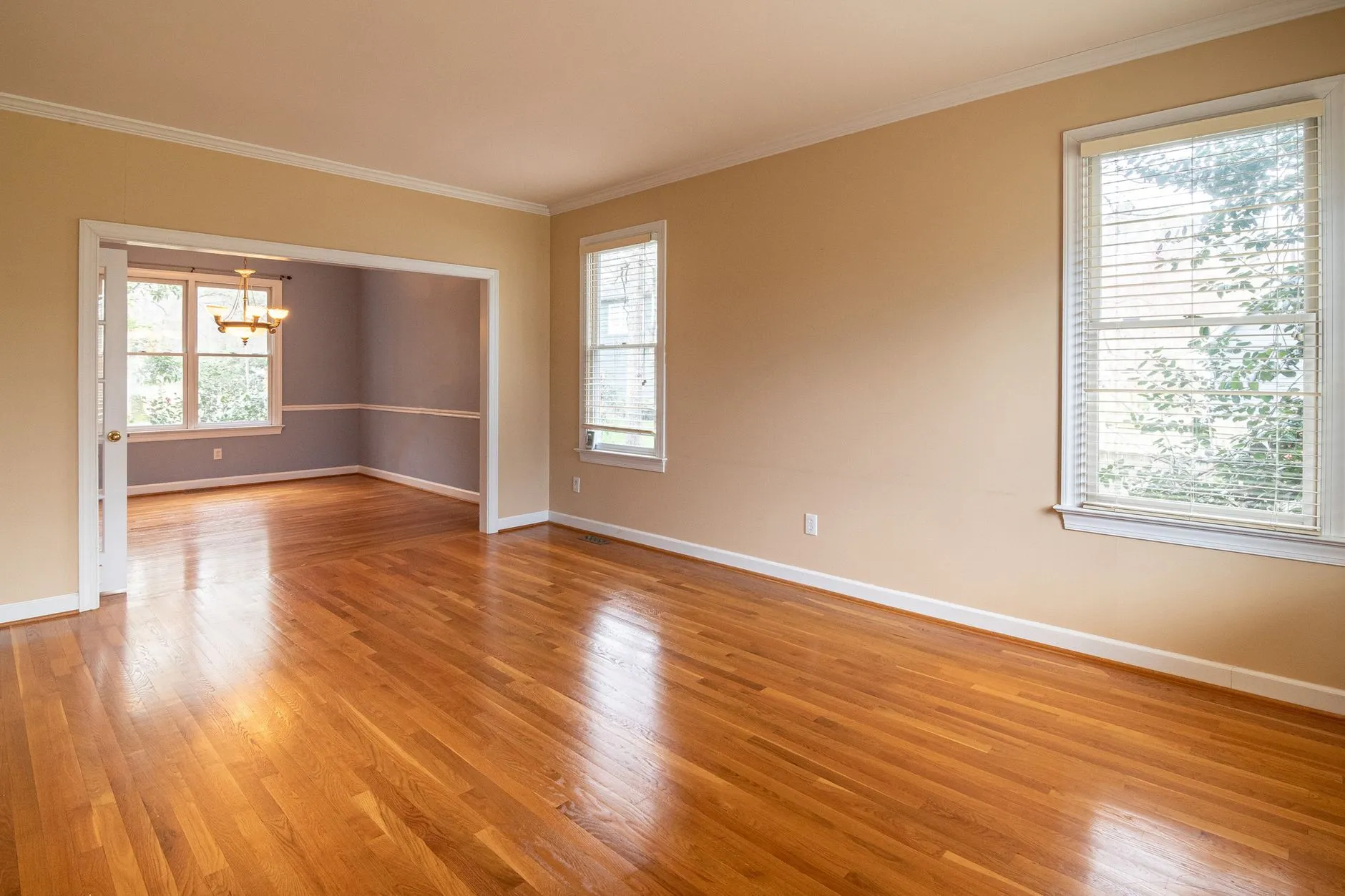
Illustrative stock photograph, not a local project or provider’s work. Photo: Curtis Adams. Pexels License.
Noticing a draught through a closed window does not automatically mean the window needs replacing. The source of the air movement — whether it is a worn seal, loose hardware, a gap at the frame-to-wall junction, or a window style that is inherently harder to seal — determines what an assessor will look at and what options they are likely to propose. Gathering useful observations before that conversation saves time and helps you ask sharper questions.
Why the source of a draught matters
According to the Australian Government’s YourHome guide, windows and doors that are poorly sealed — allowing cold draughts in winter or hot draughts in summer — are a problem for thermal comfort, while windows designed to encourage ventilation when open are beneficial. The distinction matters practically: a draught from a failed compression seal on a casement window is a different problem from air infiltrating the gap between the window frame and the surrounding wall, and both differ from a window type whose seals wear out from constant friction during operation.
YourHome notes that awning and casement windows, which seal by compression, generally control air leakage better than sliding windows and doors, whose seals tend to lose their shape and wear out gradually from constant friction. Knowing your window style is therefore a useful starting point before any assessment visit.
Describing where and when you notice the draught
Before speaking to anyone, spend a few minutes noticing exactly where the air movement seems to come from. Is it:
- Around the perimeter of the sash where it meets the frame?
- At the junction between the window frame and the wall (the reveal or architrave line)?
- Through or around the hardware — handle, lock or stay?
- Only when wind pressure is high, or present even on still days?
- At one specific window, or at several of a similar style or age?
Record the weather and location when the sensation is noticed, including whether it is near the sash, frame or adjoining wall. Present these as observations for the assessor rather than inferring a pressure gap, failed seal or hidden frame defect.
Collecting window age and product details
If you have paperwork from when the windows were installed — a WERS certificate, a compliance label, a quote or a builder’s handover document — keep it accessible. The YourHome glazing guide explains that window manufacturers are required to supply windows meeting mandatory minimum specifications under Australian Standard AS2047, and that WERS (the Window Energy Rating Scheme) provides U-value, air infiltration and other performance data for specific products. If you can read a label still attached to the window frame, photograph it. That information can help an assessor understand what air infiltration the window was designed to allow when new.
Record roughly how old the windows are, what frame material they appear to be (aluminium, uPVC, timber), and the operating style (awning, casement, sliding, double-hung, louvre). These details inform whether a hardware or seal repair is feasible or whether the product has simply reached the end of its serviceable life.
Questions worth raising before an assessment visit
When you contact a window assessor or supplier, consider asking:
- Will the assessment distinguish between a seal or hardware repair and full replacement? You want to understand whether the visit is scoped to diagnose the cause of the draught or whether it defaults directly to a replacement quote.
- Can draught-proofing strips or compression seals be retrofitted to this window style? YourHome notes that overlapping brush seals can allow full movement of sliding or double-hung windows while making an acceptable seal, and that self-adhesive neoprene or foam strip seals are effective on hinged doors and casement and awning windows — but whether that is appropriate for your specific window is a question for the assessor who can see the product in person.
- Is the gap at the frame-to-wall junction rather than within the window product itself? YourHome identifies unsealed or poorly sealed windows and doors as a common air leakage point, alongside gaps between building envelope junctions such as floor-wall or wall-ceiling. If the draught is coming from behind the architrave rather than from the window product, that is a different repair scope.
- What hardware condition checks will be done? On casement and awning windows, worn stays, damaged hinges or a latch that no longer draws the sash firmly into compression can allow air infiltration even when the seal material itself is intact.
Hypothetical scenario: two similar-looking draught complaints
The following is illustrative, not a customer story or outcome prediction.
Imagine two Adelaide households, each with a south-facing aluminium awning window installed at a similar time, both reporting a winter draught. In the first case, an assessor finds the compression seal around the sash perimeter has hardened and no longer forms a full contact — a seal replacement may be a viable repair. In the second, the draught is tracing back to a gap between the window frame and the brick reveal that was never fully caulked at installation; the window product itself is functioning as designed, but the building envelope interface is not sealed. These two scenarios require completely different responses. Without an in-person inspection, neither can be determined from a description alone.
This illustrates why recording where you feel the air — not just that you feel it — is the most useful preparation you can do.
Comparing investigation scope versus a replacement proposal
A replacement proposal and a draught investigation are not the same visit. If you are calling for the first time, it is reasonable to ask whether the assessor is able to give an opinion on repair feasibility before quoting replacement. Ask the assessor whether repair is feasible for the actual hardware, frame condition and window configuration, what evidence informs the proposed options and whether further assessment is needed. Do not assume a replacement outcome before that inspection.
For context on when replacement is worth considering: the YourHome glazing guide notes that improving glazing through renovation is one of the most effective methods of achieving improved thermal comfort. That may well be the right outcome — but it is best reached via assessment, not assumption.
Recording uncertainty without predicting energy savings
It is tempting to frame a draught problem in terms of heating bills or running costs, but connecting a specific window draught to a specific energy cost requires a whole-home assessment that is beyond the scope of a window visit. What you can record honestly is:
- Which rooms feel noticeably cold near the windows in winter
- Whether thermal comfort has changed since the windows were installed or since visible damage occurred
- Whether condensation has appeared near the same location as the draught (record the location and timing for the assessor without inferring a cause)
These observations help an assessor understand the lived experience without requiring you to make claims about energy use that cannot be verified without proper assessment tools.
Licensing and who carries out the work
Window installation and replacement in South Australia constitutes building work. The SA Government states that individuals and businesses carrying out or organising building work for others must hold a building work contractor’s licence, and that all building work must be supervised by a registered building work supervisor. If a repair or replacement is recommended following an assessment, it is worth confirming the contractor’s licensing status before proceeding.
If you would like to explore whether a referral to a window assessor or supplier may be available, you are welcome to submit an enquiry through this site’s contact form.
Further reading
- Window quote schedule explained
- Window measurement visit preparation
- Retrofit double glazing vs full window replacement
- Thermally broken aluminium windows in Adelaide
- YourHome – Ventilation and airtightness: https://www.yourhome.gov.au/passive-design/ventilation-airtightness
- YourHome – Glazing: https://www.yourhome.gov.au/passive-design/glazing
- SA Government – Building work contractor’s licence: https://www.sa.gov.au/topics/business-and-trade/licensing/building-and-trades/building-work-contractor-s-licence