Clearfox Windows · Adelaide window specialists
How to Stop Condensation on Windows in Adelaide
By Clearfox Windows · Published 8 October 2026
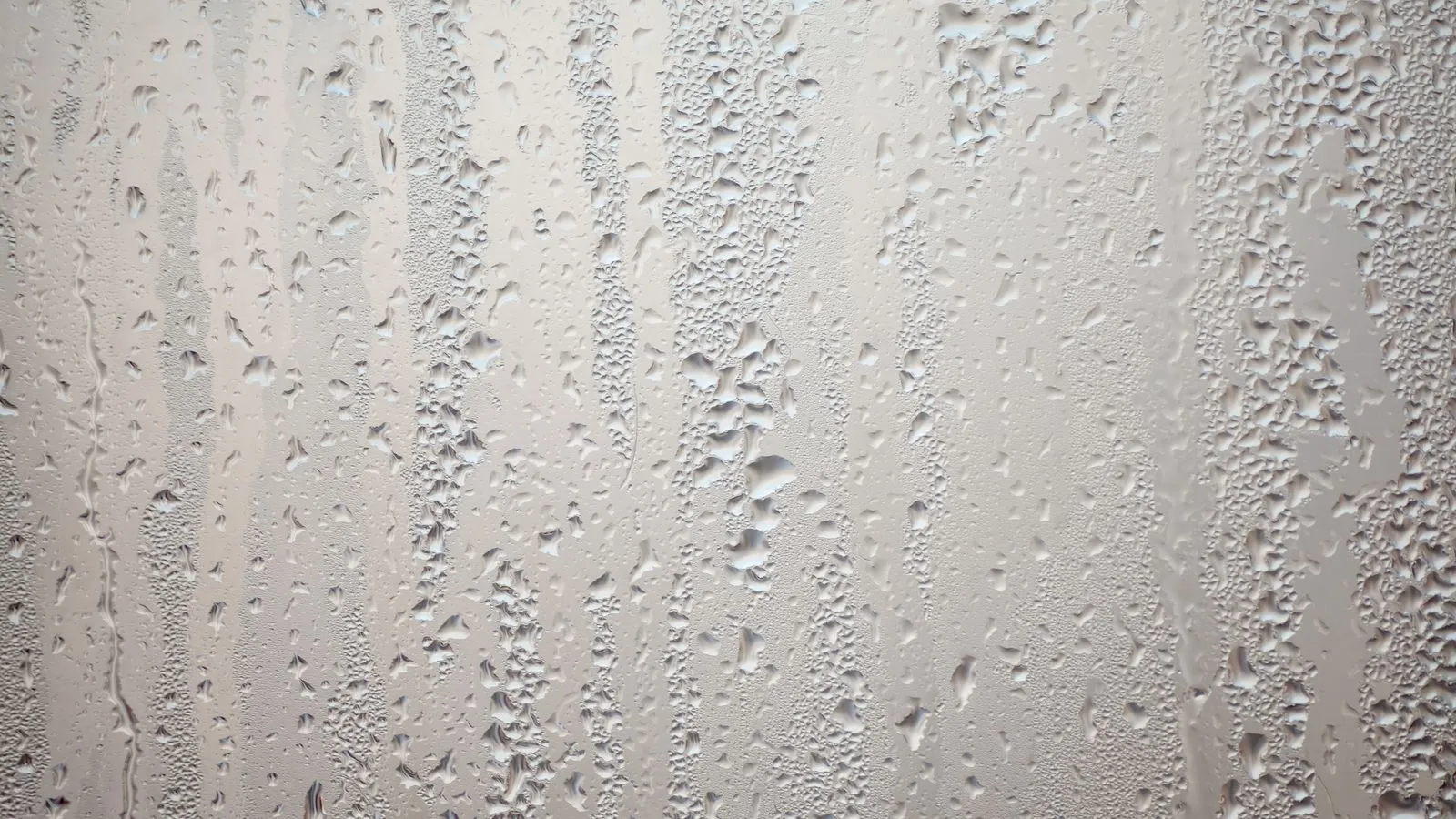
How do you stop condensation on windows?
To stop condensation on windows, lower the moisture in the air and keep the glass warmer. In Adelaide homes that means running exhaust fans, airing rooms daily and drying clothes outside or in a vented dryer. If droplets still form every winter morning on single-glazed or aluminium-framed windows, double glazing or better frames usually fix the cause.
Condensation on windows is one of the most common winter complaints we hear in Adelaide, especially from people in older brick homes and in the Adelaide Hills, where mornings are colder. It’s not just a nuisance. Water that pools on the sill every day can stain and rot timber, encourage black mould on frames and curtains, and peel paint.
Why condensation forms on the inside of windows
Condensation forms when warm, moist indoor air touches a surface that’s colder than its dew point. The air can’t hold as much moisture at that lower temperature, so the excess turns to water on the surface.
In most homes, the coldest surface in a room is the window. A single pane of glass loses heat quickly, and a standard aluminium frame conducts cold from outside to the inside face. So on a cold night the glass and frame drop below the dew point of the indoor air, and you wake up to droplets.
Two things drive it:
- How much moisture is in the air. Cooking, showers, breathing, drying clothes indoors, unflued gas heaters, indoor plants and fish tanks all add water vapour.
- How cold the inner surface of the window gets. Single glazing and non-thermally-broken aluminium frames run colder than double glazing and insulating frames.
Fix either one and the condensation reduces. Fix both and it usually stops.
Everyday fixes that cost little or nothing
Start here, because these work in any home and they also help with mould elsewhere:
- Use exhaust fans. Run the bathroom fan during and after showers, and the rangehood whenever you cook. Check that fans actually vent outside, not into the roof space.
- Air the house daily. Even ten minutes with windows open on opposite sides in the middle of the day swaps humid air for drier outside air. Adelaide winter days are often mild enough by late morning.
- Dry clothes outside or in a vented dryer. A load of washing drying on a rack inside releases a lot of moisture into the house.
- Avoid unflued gas heaters. They release water vapour as they burn. If you use one, ventilate the room.
- Open curtains and blinds during the day. Heavy curtains drawn tight over a window trap cold air against the glass, which makes condensation worse behind them.
- Wipe the glass in the morning. A squeegee or microfibre cloth stops water sitting on the sill and soaking into timber.
- Consider a dehumidifier. In a damp room it can help noticeably, especially in bedrooms.
If those steps mostly fix the problem, your windows are probably fine. If droplets are still forming every cold morning, the windows themselves are part of the cause.
When your windows are the problem
Single glazing
A single pane has nothing to slow heat loss, so its inner surface sits close to the outside temperature. Double glazing puts a sealed gap between two panes, which keeps the inner pane much warmer and well above the dew point in most conditions. Our guide to whether double glazing is worth it in Adelaide covers the wider comfort benefits.
Aluminium frames without a thermal break
Standard aluminium frames are good conductors of heat. On a cold morning the frame can be wetter than the glass. Thermally broken aluminium, uPVC and timber all keep the inner face of the frame warmer. See thermally broken aluminium windows for how the thermal break works.
Gaps and draughts
Leaky windows let cold air chill the frame edges and corners, which is often where condensation and mould start. Worn seals, warped timber sashes and loose sliders all contribute.
Condensation between the panes of double glazing
If you already have double glazing and see fog or droplets between the two panes, that’s different. It means the seal on the insulated glass unit (IGU) has failed and moist air has got into the cavity. You can’t wipe it away, and drying products won’t fix it for long.
The usual remedy is to replace the glass unit, or the sash or window if the frame is also tired. Condensation on the outside of double glazing on a cool morning, by contrast, is normal. It actually shows the inner pane is keeping heat inside.
Which window upgrades help most with condensation
| Upgrade | How it helps |
|---|---|
| Double glazing | Keeps the inner pane warmer, so it stays above the dew point more often |
| Low-E coated glass | Reflects heat back into the room, warming the inner pane further |
| Thermally broken aluminium | Breaks the cold path through the frame |
| uPVC or timber frames | Naturally insulating frame materials |
| Better seals and weatherstripping | Reduce cold draughts at the edges of the sash |
For the price side, our double glazing cost guide sets out the factors. As a typical guide, double-glazed windows run $1,500–$8,500 per opening fitted in Adelaide, depending on size and frame.
New windows reduce condensation but don’t remove the need for ventilation. A well-sealed house with double glazing still needs exhaust fans and fresh air, or the moisture will find another cold surface.
Related services
We supply and install double glazing, uPVC windows, aluminium windows including thermally broken options, and energy-efficient windows across Adelaide metro and the Adelaide Hills, where colder mornings make window condensation especially common.
Frequently asked questions
Why do I get condensation on the inside of my windows every morning?
Warm, moist indoor air is meeting glass and frames that have cooled overnight below the air’s dew point. Single glazing and standard aluminium frames get cold enough for this to happen most winter mornings in Adelaide.
Does double glazing stop condensation?
Double glazing keeps the inner pane much warmer, so condensation on the inside of the glass is greatly reduced in most homes. You still need good ventilation, because the moisture in the air hasn’t gone away.
Is condensation on windows a sign of a problem?
Occasional light condensation on a cold morning is common. Heavy condensation that pools on sills every day, or mould on frames and curtains, means there’s too much moisture indoors, the windows are too cold, or both.
What does condensation between double-glazed panes mean?
It means the seal on the insulated glass unit has failed and moist air has entered the cavity. The usual fix is replacing the glass unit or the sash, because it can’t be wiped away.
Does opening windows in winter really help with condensation?
Yes. Airing rooms for a short time each day replaces humid indoor air with drier outside air, which lowers the dew point inside. Running exhaust fans while cooking and showering helps just as much.
Can condensation damage my window frames?
Yes, over time. Water sitting on timber sills and frames can cause staining, peeling paint and rot, and damp frames and curtains can grow mould.
Get a quote
If you’ve tackled ventilation and your windows still stream every winter morning, it’s worth looking at the glass and frames. We’ll measure on site and give you a written, itemised quote for double glazing or replacement windows. Request a quote or call 0468 038 136, and we’ll get back to you within 24–48 hours.